

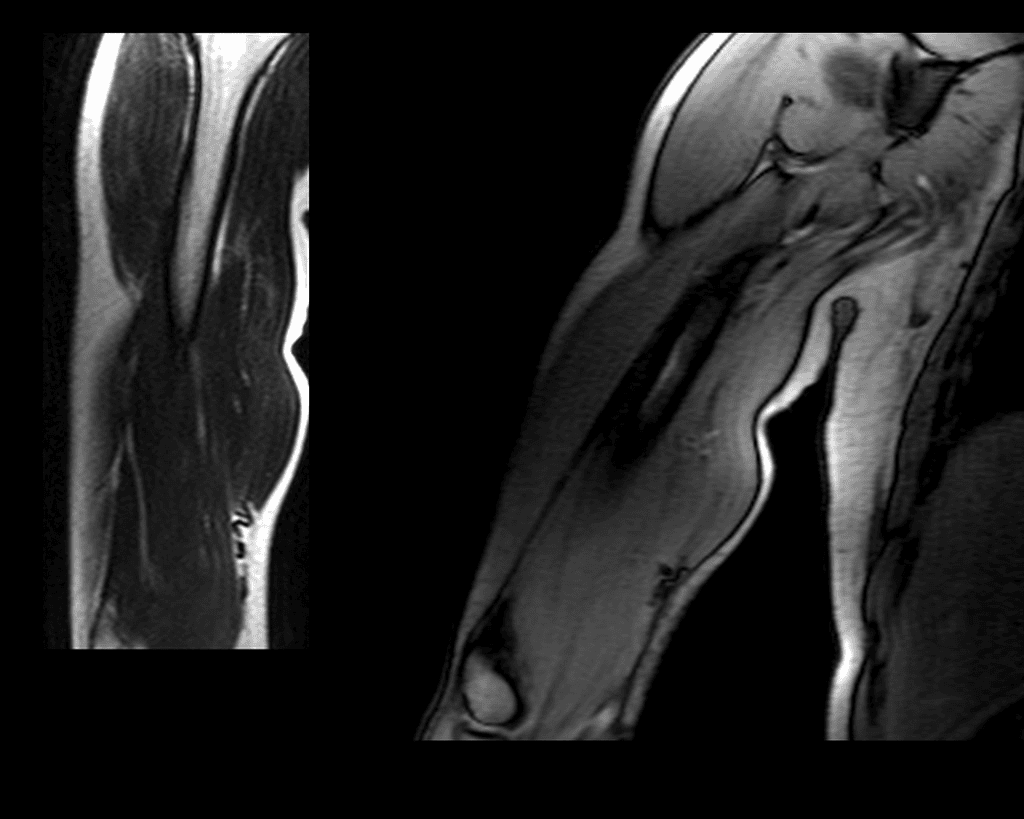
‘Gladiators’ star Legend tore his bicep tendon off the bone on set. Here’s a quick recap of what happened, how the surgery went, and how he’s recovering.
Gladiators’ Legend Injury: What Happened
Legend, whose real name is Matt Morsia, suffered from a torn distal bicep tendon whilst tackling a contender in one of the events on the BBC’s Gladiators. He shared on his YouTube channel that his left arm was yanked backwards.
At first, he didn’t think the injury was too bad: “It felt weird, but I didn’t really get any pain”. But as soon as he got backstage, Legend saw his bicep had rolled up halfway on his upper arm, and that’s when he knew it was serious.
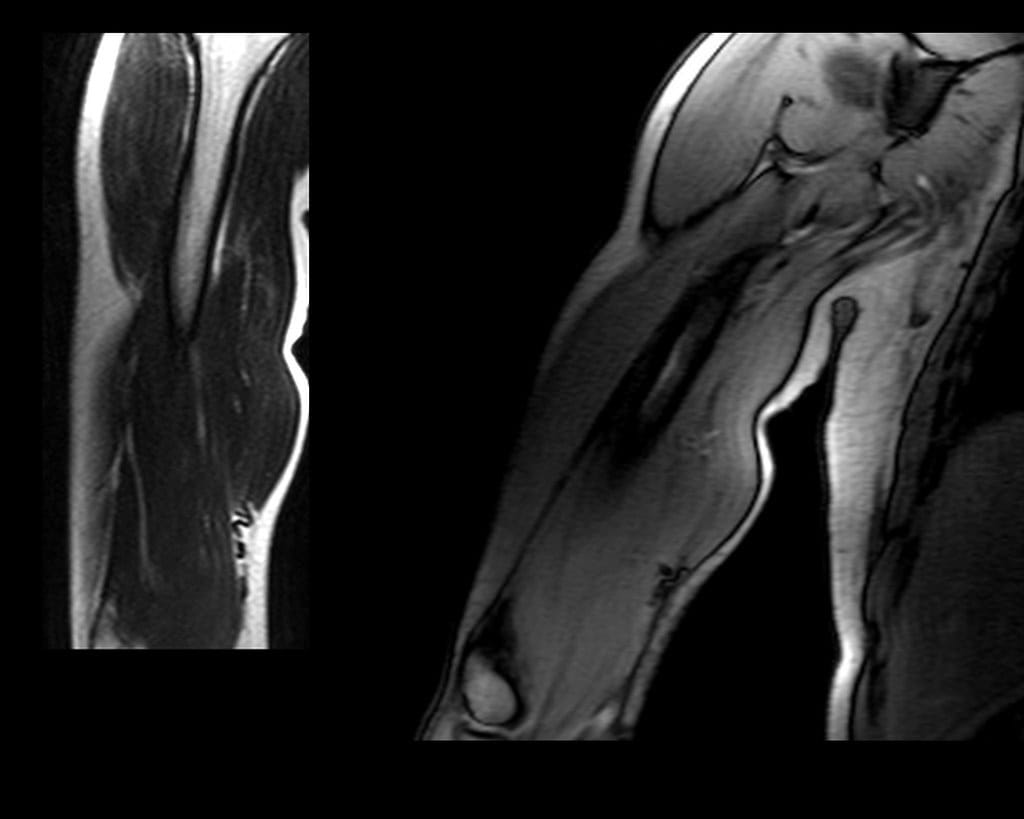
This “freak accident” is as bad as it sounds. The tendon connects the bicep muscle to the forearm, and when it tears, the arm loses strength and function. It’s an injury that requires surgery.
He had a scan, then surgery was booked five days later in London. The operation itself was successful, and doctors were able to reattach the tendon. As Legend explained:
“[They] went in there, found the tendon. Pulled it down, drilled a hole in the bone [and] put the tendon through the hole. Put like an anchor, like an anchor, like a screw, a bolt, whatever, at the bottom. And it is now reattached.”
Where Is Legend Now: Post-Op
Legend’s recovery in the first week turned out to be tougher than the injury. Matt explained that he developed intense nausea and vomiting. It got so bad that he was admitted to the hospital for almost two weeks.
Throughout what he described as the worst two weeks of his life, he couldn’t eat or stand up due to weakness. He lost around 15 kilograms in a matter of days, dropping from his usual 97 kg down to about 82 kg. On top of that, he was hit by relentless hiccups that lasted nearly all day for 8 days, making eating and sleeping even harder.
It wasn’t the outcome most would expect following surgery, but it shows how unpredictable recovery can be.
He has since begun to regain his lost weight and eased back into a training plan.
Best Equipment for Arm Muscle Recovery
Rehabilitation is perhaps the ‘chance’ stage to get better and stronger after surgery. Legend hasn’t said what equipment he’ll be using, but here’s a list of gear often used in similar cases and commonly recommended by physios.
Compression sleeves or wraps for arm support
This type of support fits around the arm to help reduce swelling and provide light stability to the joint and muscle while it heals.
Ice, heat, or hot & cold therapy systems
Ice (e.g. with an ice pack) reduces swelling and pain, while heat is used later to improve blood flow and loosen tight tissue. Some methods use hot and cold to reduce pain and boost circulation.
Foam rollers and massage balls
These are for loosening tight spots in your muscles. A foam roller on your back or shoulders can take some strain off the injured arm. Massage balls are good for improving flexibility and reducing stiffness.
Strength training machines
With medical clearance, strength machines can play a key role in rebuilding muscle. Cable pulleys, light arm-curl machines, and resistance systems provide controlled movement and gradual loading, which reduces the risk of setbacks.
Active recovery tools
Light equipment keeps the body moving during recovery. Resistance bands are used for gentle stretches, while a yoga mat provides space for basic floor exercises. Vibration platforms improve blood flow, and walking on a treadmill or pad restores steady movement without extra strain on the arms.
Note: Always follow the advice of your own doctor or physiotherapist.
Bicep Tendon Tear Recovery Timeline
Recovery time varies with age, fitness, and tendon healing.
- Week 0 to 2: Recovery starts with immobilisation. The arm is kept stable in a sling or sometimes a cast. This protects the repair and gives the tendon time to start healing. Care for the surgical wound and scar is also important.
- Week 3 to 6: Focus moves to getting movement back. Gentle exercises for the elbow and wrist are introduced step by step. Light daily tasks are brought in to help the arm start working again.
- Week 6 to 12: Strengthening work begins with light bicep curls, grip exercises, and movements for the wrist and shoulder. Heavier resistance can be added by around week 12.
For Legend, he is not yet able to resume lifting with his injured arm, but hopes to be able to get back into it in the next couple of weeks (about 8 weeks after the injury occurred). However some injuries and surgeries may require longer recovery to regain full resistance-bearing capability (up to 6 months).