

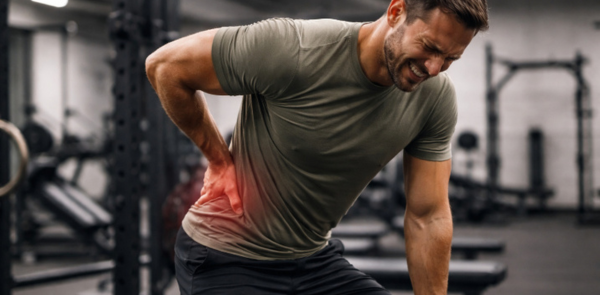
You’ve probably tried to stretch out your lower back after a tough session. It feels tight, so you go straight into a toe-touch or something similar. It might ease off for a moment, but the next workout ends up the same.
Chances are, your back is taking the load for muscles that aren’t pulling their weight. Read on, and we’ll show you a better way to handle it.
Disclaimer: This is not medical advice. If back pain persists or worsens, consult a licensed physio or healthcare professional before trying any of these.
What Causes Lower Back Pain After a Workout
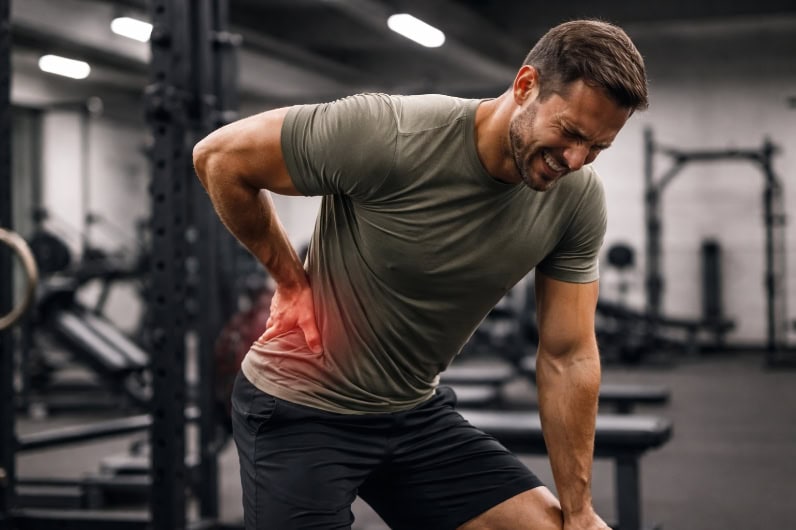
Lower back pain after exercises like squats and deadlifts isn’t coming from your back itself. It happens when other muscles can’t handle the load, and the lower back steps in to compensate. Tight or weak hamstrings, underactive glutes, and limited hip mobility all shift stress onto the spine.
Why Passive Stretching Doesn’t Help
In most cases, passive stretching won’t ease the pain because it targets the back instead of the muscles that should be carrying the weight. For instance, toe-touches let the spine round, putting extra strain on muscles that are already overworked, which can worsen pain rather than ease it.
A safer approach is active mobility, such as a straight-back hip hinge. It strengthens and lengthens the hamstrings, protects the spine, reduces strain on the lower back, and improves performance.
What is passive stretching?
Passive stretching is when you hold a position and let your muscles relax into it. It increases range of motion, but it doesn’t build strength or control in that range. That’s why it often feels temporary and doesn’t stop recurring pain after workouts.
How Active Mobility Can Improve Back Comfort
Active mobility works by training the muscles that should handle the load instead of letting the lower back do all the work. Exercises like the straight-back hip hinge force the hamstrings, glutes, and hips to move under tension, which keeps the spine safer during lifts.
It also builds control at the edges of your range of motion. By holding positions under load instead of just relaxing into a stretch, the muscles learn to handle weight through their full range. Over time, this takes strain off the lower back and helps your squats and deadlifts with more control.
How to Do a Straight-Back Hip Hinge
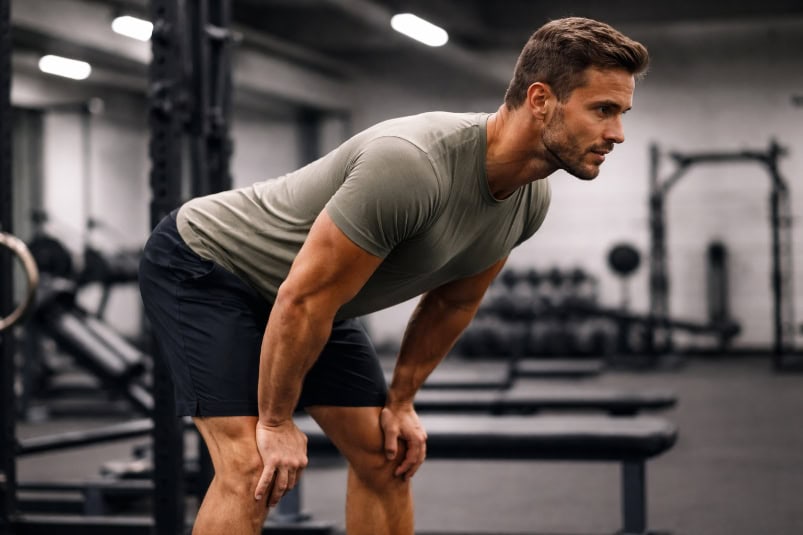
For sore lower backs after leg day, try this movement instead:
- Stand with feet about hip-width apart.
- Keep your chest up and spine straight.
- Push your hips back while letting your torso move forward, keeping the spine neutral.
- Go as far as you can without your lower back rounding.
- Return to standing, keeping control throughout.
Start with slow, controlled reps and focus on feeling the hamstrings and glutes take the load. Just a few sets before or after your workout can build strength and improve flexibility gradually.
Alternative Mobility Exercises to Try Instead of Toe-Touch
These mobility exercises focus on strengthening the hamstrings, glutes, and hips. You can try them in different combinations to see what feels best for your body.
Instead of just bending over and passively stretching a lower back that is already overworked, try these active mobility exercises. They focus on building strength and control in your glutes, core, and hips so your back doesn’t have to carry the brunt of your workouts.
Glute Bridges
When your glutes are underactive, your lower back steps in to help lift the weight. The glute bridge wakes up your posterior chain and trains your hips to extend without relying on your lumbar spine.
- Lie on your back with your knees bent and feet flat on the floor, about hip-width apart.
- Brace your core (imagine pulling your belly button toward your spine) so your lower back is flat against the floor.
- Squeeze your glutes and drive through your heels to lift your hips toward the ceiling.
- Stop when your body forms a straight line from your shoulders to your knees. Do not overextend or arch your lower back at the top.
- Lower your hips back to the floor with control and repeat.
The Bird-Dog
This is a staple in spinal rehab and athletic training. It teaches your body how to move your arms and legs actively while keeping your lower back completely stable and protected.
- Start on your hands and knees in a tabletop position, making sure your back is perfectly flat.
- Squeeze your core to lock your spine into place (don’t let your stomach sag toward the floor).
- Slowly extend your right arm forward and your left leg backward until both are parallel to the floor.
- Hold for a second, focusing heavily on keeping your hips totally square to the ground—don’t let your torso twist.
- Return to the starting position with control, then repeat using your left arm and right leg.
90/90 Hip Transfers
If your hips lack mobility, your lower back is forced to absorb rotational forces it wasn’t designed to handle. This active movement creates space in the hip joints and improves rotational control.
- Sit on the floor with your knees bent in front of you and your feet wider than shoulder-width apart, resting on your heels.
- Keeping your chest up tall, let both knees drop to the right side so your legs form two 90-degree angles on the floor.
- Keep your torso as upright as possible and actively press your knees gently into the floor.
- Using your hip strength (and keeping your hands off the floor if you can), lift your knees back through the center and drop them to the left side.
- Move slowly from side to side, actively controlling the rotation through your hips.
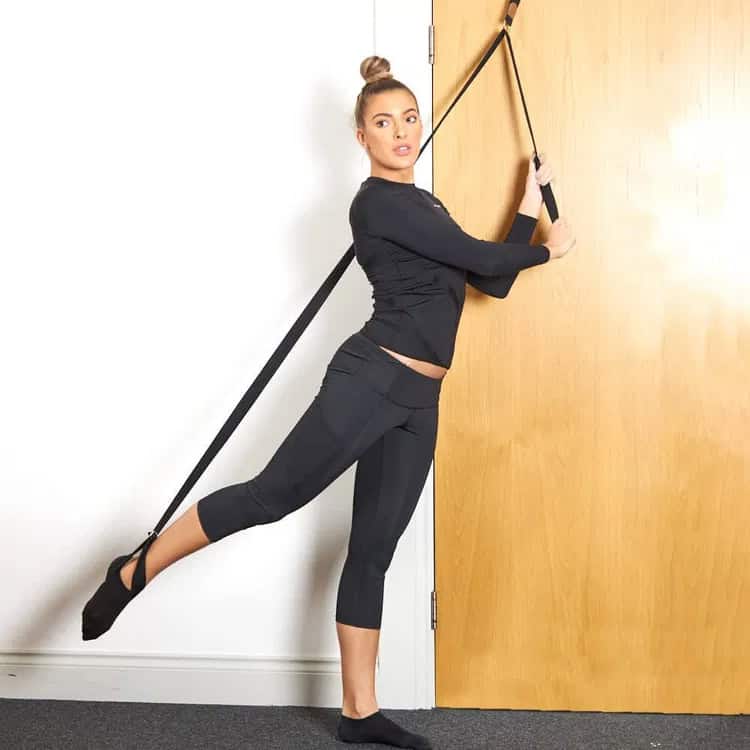
Extra tip: Add a leg stretcher band for dynamic mobility to actively ease hamstring tension. Lie on your back, loop the band around the arch of your foot, and bend your knee to 90 degrees. Actively press your heel toward the ceiling against the band’s light resistance, hold the contraction at the top for one second, and slowly return to the bent-knee position. Try 10–15 controlled reps per leg. This “flosses” the nerve and actively strengthens the muscle through its full range of motion, rather than just passively stretching it.
How Hamstrings Protect Your Lower Back
Your hamstrings carry most of the force. If they’re tight or weak, the lower back ends up doing extra work. By training them through active stretches and controlled loading, you create localised tension that encourages growth and resilience. This helps them handle heavy lifts without straining their backs during the movement.
Pushing the hamstrings to hold weight at their end range might leave them sore the next day, but that’s part of the process. It signals that the right muscles are taking the work instead of your lower back.
Round-up
Lower back soreness after leg day is often a sign that other muscles, such as hamstrings, glutes, and hips, aren’t doing their share. Passive stretches like toe-touches may feel like they help, but they don’t train these muscles to carry a load and can put more strain on the back.
Active mobility exercises, especially hip-hinge variations, train the posterior chain to handle load. This gradually reduces stress on the lower back, improves control during lifts, and helps your hamstrings and glutes grow stronger.
Practising these movements consistently, even for a few sets around your workouts, builds solid mechanics and keeps your spine safer while developing bigger, stronger legs.
Reminder: Start light, focus on form, and pay attention to your body. Stop or ease up if anything feels sharp or painful.